Featured


How How APFSC Apart in the Industry can Save You Time, Stress, and Money.
Table of Contents
While brand-new credit history can aid you restore, it is necessary to room out your applications. If you have a relative or good friend with excellent credit rating, consider asking them to include you as an authorized individual on one of their debt cards. If they do it, the full history of the account will certainly be included to your credit rating reports.

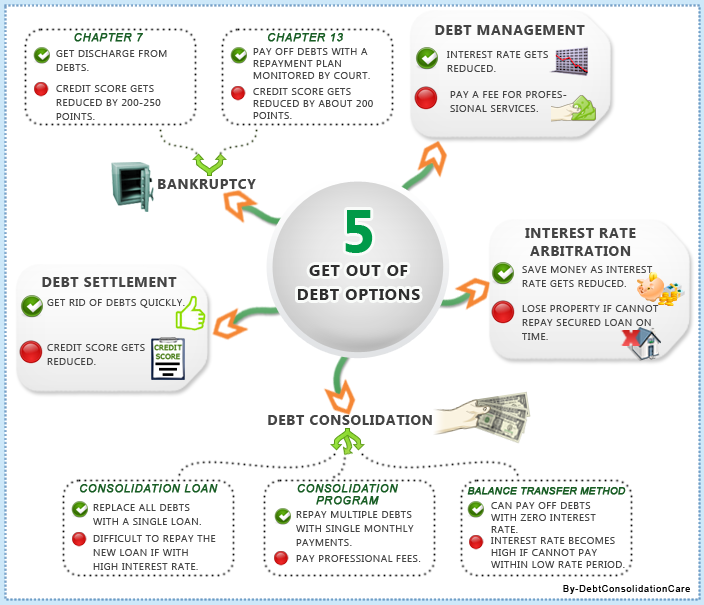
Before you consider debt negotiation or personal bankruptcy, it's important to understand the potential advantages and disadvantages and just how they might apply to your circumstance. Both alternatives can reduce or eliminate large sections of unprotected financial debt, helping you prevent years of uncontrollable repayments.
If you're not exactly sure that debt negotiation or personal bankruptcy is best for you, right here are a few other financial obligation alleviation choices to consider. Properly will certainly depend upon your situation and objectives. If you have some flexibility with your budget plan, below are some accelerated financial debt payment choices you can go after: Start by detailing your financial obligations from the smallest to the largest equilibrium.
Rumored Buzz on What to Expect for Professional Debt Relief Help
The therapist negotiates with creditors to lower rate of interest, forgo late costs, and produce a manageable month-to-month settlement. You make one consolidated repayment to the agency, which then pays your banks. While a DMP doesn't minimize the major balance, it assists you settle debt much faster and a lot more affordably, commonly within 3 to five years.
While you can negotiate with lenders by yourself, it's typically a complicated and lengthy process, specifically if you require to resolve a large quantity of financial obligation throughout several accounts. The process needs a strong understanding of your financial resources and the financial institution's terms in addition to confidence and determination. Therefore, there are financial debt alleviation firms additionally called financial obligation settlement companies that can manage the negotiations for you.
People who enlist in the red relief programs have, typically, approximately $28,000 of unsafe financial obligation across virtually 7 accounts, according to an analysis commissioned by the American Organization for Financial Obligation Resolution, which looked at customers of 10 significant financial debt alleviation firms between 2011 and 2020. About three-quarters of those customers had at the very least one debt account effectively settled, with the normal enrollee working out 3.8 accounts and over half of their registered financial debt.
It's common for your credit report to fall when you first start the debt alleviation process, especially if you quit making settlements to your creditors. As each financial obligation is settled, your credit scores rating should start to rebound. Be certain you understand the total expenses and the impact on your credit scores when examining if financial obligation settlement is the appropriate option.
Some Known Details About Warning Signs While Evaluating Debt Relief Help
As pointed out above, there are options to debt settlement that may be a better suitable for your monetary circumstance. Here's a quick breakdown of exactly how each option works: Financial debt consolidation allows you combine numerous financial debts into one by taking out a brand-new funding to repay your existing financial debts. This strategy turns numerous financial obligations right into a solitary regular monthly payment and commonly provides a lower rate of interest, simplifying your finances and potentially conserving you cash gradually.
Below's exactly how each one works: Financial obligation loan consolidation financings: These are individual finances that you can utilize to settle your existing financial obligations, leaving you with just one regular monthly costs, usually at a reduced rate of interest. Balance transfer bank card: This entails moving your existing charge card equilibriums to a new credit rating card that supplies a lower rates of interest or an advertising 0% APR for a collection period.
As soon as the period ends, rate of interest rates will be considerably high often over 20%. Home equity financings or HELOCs (home equity credit lines): These loans permit you to borrow versus the equity in your house. You obtain a round figure or a credit line that can be utilized to repay financial debts, and you typically take advantage of reduced rates of interest compared to unsafe finances.
Rumored Buzz on Is It Worth Compared to Going It Alone Methods
These strategies have numerous benefits, such as simplifying your repayments by settling numerous into one and potentially lowering your rates of interest. Yet they commonly include a configuration fee varying from $30 to $50, and a month-to-month upkeep cost of around $20 to $75, depending upon the firm you collaborate with.
Having a great deal of financial obligation can be frustrating, yet it's still important to make the effort to think about the details of different services so you understand any type of possible dangers. The very best financial obligation plan for you relies on your financial scenario. If you're having problem with your bills but still have not missed out on any kind of settlements, a financial obligation monitoring strategy may be a good fit specifically if you don't desire your credit history to storage tank.
Whichever your circumstance is, consider talking to a licensed credit therapist, a bankruptcy lawyer, or a qualified financial obligation expert before relocating ahead. They can aid you get a full understanding of your finances and options so you're better prepared to make decisions. Another element that influences your options is the kind of debt you have.
It is crucial to comprehend that a discharge is distinct from financial debt forgiveness, and debt does not get "forgiven" via a bankruptcy declaring. Our West Hand Coastline insolvency legal representatives can clarify in more detail. As a whole, "financial debt forgiveness" describes a scenario in which a lender does not believe it can collect the total of the financial obligation owed from a borrower, and either quits trying to gather or concurs to forgive an amount less than what the debtor owed as component of a debt negotiation agreement.
Get This Report about Your Rights
When this happens, the debt will certainly be considered "canceled" by the internal revenue service, and the debtor will typically receive a termination of financial debt create the amount of debt forgiven is taxable. In a personal bankruptcy case, financial debt is not forgiven by a financial institution. Instead, it is released by the insolvency court, and discharge has a different definition from debt mercy.

Table of Contents
Latest Posts
3 Simple Techniques For Starting Meeting and What to Expect

About Developing a Personalized Path to Stability
How How APFSC Apart in the Industry can Save You Time, Stress, and Money.
More
Latest Posts
3 Simple Techniques For Starting Meeting and What to Expect
About Developing a Personalized Path to Stability
How How APFSC Apart in the Industry can Save You Time, Stress, and Money.